AI Can’t Replace Human Judgment, Trust in Public Relations, Scholar Tells NIPR

By Our Correspondent
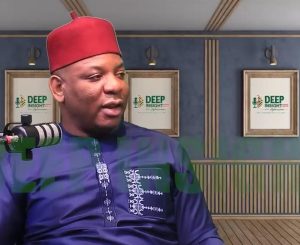
A communication scholar, Dr. Emmanuel Akpoveta, has said that while Artificial Intelligence (AI) is transforming the practice of public relations through automation and data-driven communication, it can never replace the human qualities of trust, empathy, ethical judgment and relationship building that define the profession.
Akpoveta stated this on Thursday while delivering a lecture titled, “The Essential Human Operating System in an Automated World: Strategic Public Relations Practice in the Age of Artificial Intelligence,” at the World Public Relations Day celebration organised by the Delta State Chapter of the Nigerian Institute of Public Relations (NIPR) in Asaba.
The lecturer said the Fourth Industrial Revolution, powered by artificial intelligence, machine learning, robotics, blockchain and big data, has fundamentally changed public communication by enabling organisations to automate customer service, analyse public sentiment and personalise communication at unprecedented speed.
Despite these technological breakthroughs, he stressed that strategic public relations remains a people-driven profession built on communication, ethical leadership, reputation management, conflict resolution and stakeholder engagement.
“Artificial Intelligence is reshaping communication, but it cannot replace the uniquely human qualities that define strategic public relations. Trust, empathy, ethical judgment, cultural sensitivity and authentic relationship building remain indispensable,” he said.
Akpoveta introduced what he described as the Essential Human Operating System (EHOS), describing it as the collection of human competencies that enable effective leadership, ethical decision-making, creativity and meaningful communication in an increasingly automated world.
He said that emotional intelligence, ethical and moral judgment, critical thinking, creativity, empathy, strategic thinking, adaptability, effective communication, leadership, cultural intelligence, authenticity, relationship building, lifelong learning, problem-solving ability and a strong sense of purpose are the core competencies that distinguish public relations professionals from machines.
He maintained that while AI can generate content, analyse trends and predict behaviour, it lacks conscience, wisdom and the capacity for moral reasoning needed to navigate complex communication challenges.
The scholar identified deepfake technology, fake news, misinformation, algorithmic bias, privacy concerns, cybersecurity threats, digital manipulation and declining public trust as emerging threats confronting public relations practitioners in the digital era.
He warned that the increasing sophistication of digital technologies has made ethical human oversight more critical than ever.
Speaking on the Nigerian environment, Akpoveta said rapid digital transformation, expanding social media use, fintech growth and increasing AI adoption present enormous opportunities for communication professionals.
However, he noted that misinformation, online political polarisation, cybercrime and declining trust in institutions underscore the need for strategic, ethical and people-centred public relations.
He urged the Nigerian Institute of Public Relations (NIPR) to lead efforts in developing ethical guidelines for AI-assisted communication to ensure that technology serves humanity rather than undermines public confidence.
Akpoveta also advised public relations professionals to integrate artificial intelligence responsibly into communication strategies while strengthening emotional intelligence, ethical decision-making and stakeholder engagement.
Other recommendations included investing in continuous professional development, establishing AI governance frameworks, prioritising reputation over automation and promoting collaboration among communication, technology and policy experts.
Quoting UNESCO’s position on artificial intelligence, he stressed that AI systems should uphold human rights, fundamental freedoms and human dignity.
He concluded that the future of strategic public relations lies in combining AI-driven efficiency with human-centred leadership.
According to him, organisations that successfully blend technological innovation with human wisdom will be better equipped to build credibility, manage crises, strengthen stakeholder relationships and sustain public trust in an increasingly digital world.













Post Comment