Iranian MPs Warn of Explosive Unrest Unless Public Grievances Are Urgently Addressed
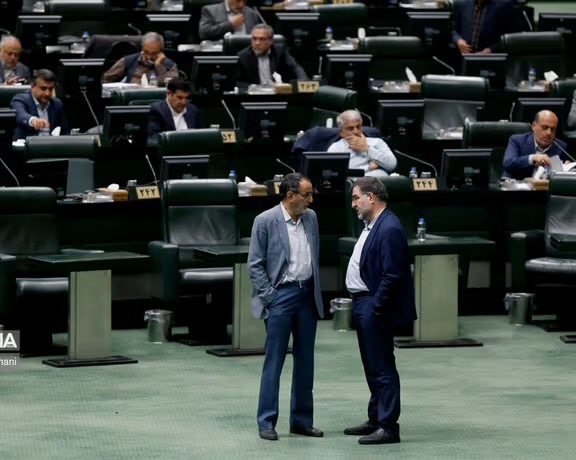
TEHRAN, Jan. 13, 2026 – Iranian parliamentarians issued stark warnings on Tuesday, January 13, 2026 that public frustration is at a boiling point and risks exploding into widespread unrest unless the government and parliament act immediately to address legitimate citizen complaints.
Their statements, reported by Iran International, highlight a rare show of cross-factional alarm over a deepening socio-economic crisis.
Mohammadreza Sabaghian, the representative for Bafq, stated bluntly that authorities can no longer ignore widespread discontent. “Failure to act would almost certainly lead to a repetition of recent disturbances, only on a far more intense and rapid scale,” he asserted, demanding the administration and the Majlis resolve serious public grievances without delay.
The warnings focused overwhelmingly on economic mismanagement as the core catalyst. Hossein Samsami, a legislator from Tehran, argued that misguided policies have directly inflamed public resentment. He identified persistent currency devaluation and sharp fluctuations in commodity prices as primary triggers pushing ordinary Iranians toward a breaking point.
In a pointed attack on a key state sector, MP Mohammad Amir accused top officials of allowing rampant corruption within the national oil industry. Addressing the Oil Minister directly, Amir declared that senior managers treat nationally-owned energy companies “as private family estates” and behave as though the firms are their “personal inheritance.” He described this as fostering deep inefficiency at the heart of Iran’s most strategic revenue source.
The lawmakers united in their assessment that a mix of economic hardship, perceived mismanagement, and unaddressed popular demands has created an explosive situation. They cautioned that dismissing these signals would invite consequences far graver than those witnessed in recent months.
As a corrective, the parliamentarians urged immediate measures, including greater accountability for economic decision-makers and structural reforms in state-owned enterprises, particularly in the critical hydrocarbon sector.







Post Comment